
From the colonial arcades of Grand-Bassam to the steel towers of the Plateau — Ivory Coast holds centuries in a single skyline.
Ivory Coast carries two distinct souls: the sun-bleached arcades of Grand-Bassam, where French colonial ambition once built its capital, and the glass-and-concrete skyline of Abidjan — the most dynamic city in francophone Africa.
Grand-Bassam, inscribed as a UNESCO World Heritage Site in 2012, was the colony's first capital from 1893. Today its faded pastel buildings house artisan workshops, mask museums and open-air studios — history reclaimed by Ivorian culture.
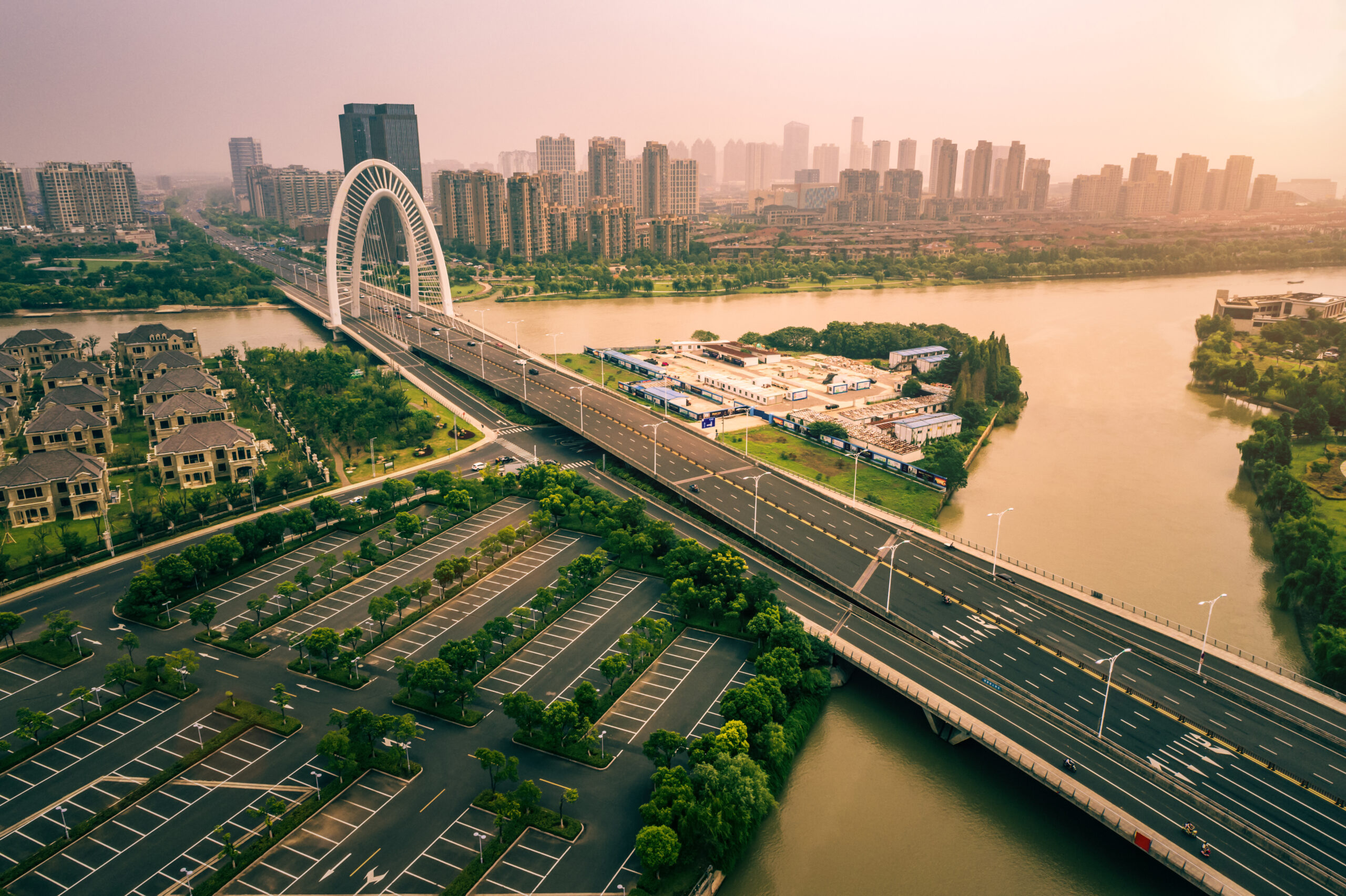
Forty kilometres north, Abidjan hums with an entirely different energy. Ferries cross the Ébrié Lagoon between glass towers. The Plateau district concentrates banks, embassies and the iconic La Pyramide.
Every Asina Tour journey is guided by Spanish-speaking local experts — historians, chefs and coastal guides who navigate both worlds with ease.
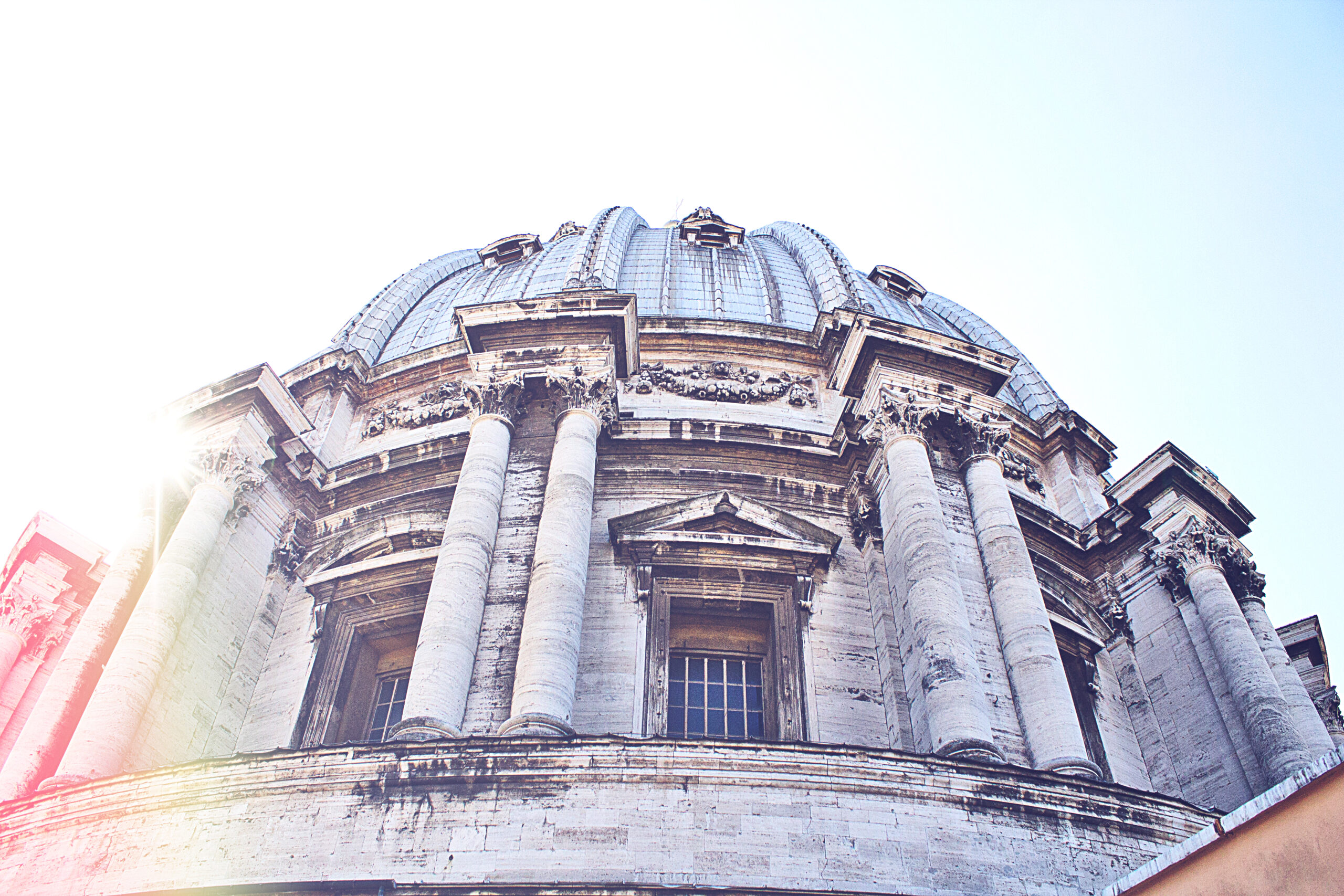
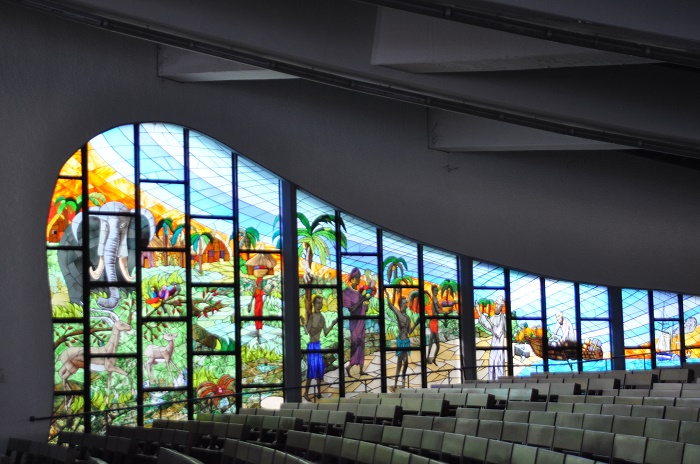
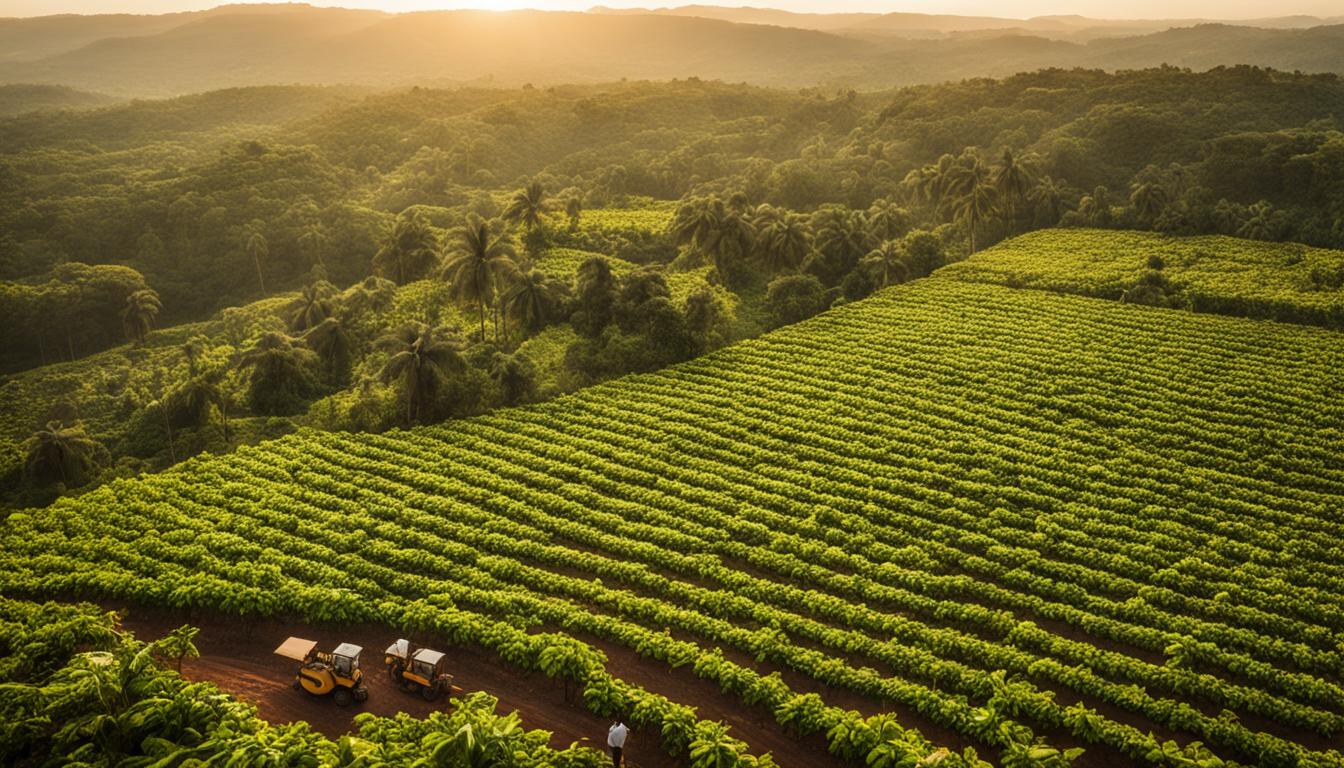
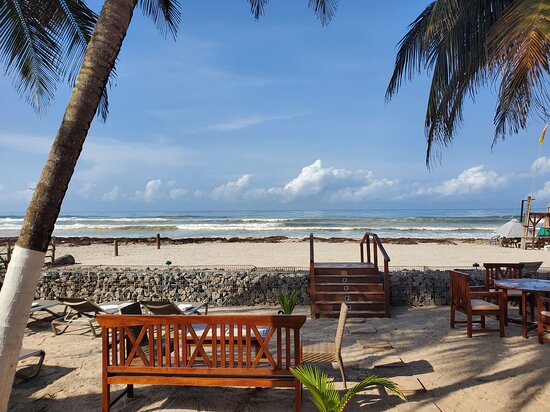
Each tour is a different lens on the same extraordinary country — sacred basilicas, jungle cocoa estates or deserted Atlantic beaches.
Ivory Coast's cuisine is one of West Africa's most underrated — built on fermented cassava, ripe plantain, slow-cooked stews and the smoke of wood-fired street grills.


Every Asina Tour itinerary includes dedicated food experiences — not restaurant recommendations, but guided meals at the stalls, markets and family kitchens where Ivorian cooking is actually made. Your local guide eats alongside you, explains every ingredient, and takes you to the exact spot where the city's best Attiéké is grilled each morning before 7am.
Abidjan doesn't wait. Plan your Ivory Coast journey with a local Spanish-speaking expert who knows both the historic arcades and the living city behind them.

 Français
  Español
  English